Quick Links
Population Health Initiative
Phone: (305) 348-5197
Email: pophealth@fiu.edu
Staff Directory
Location
Office of Research & Economic Development
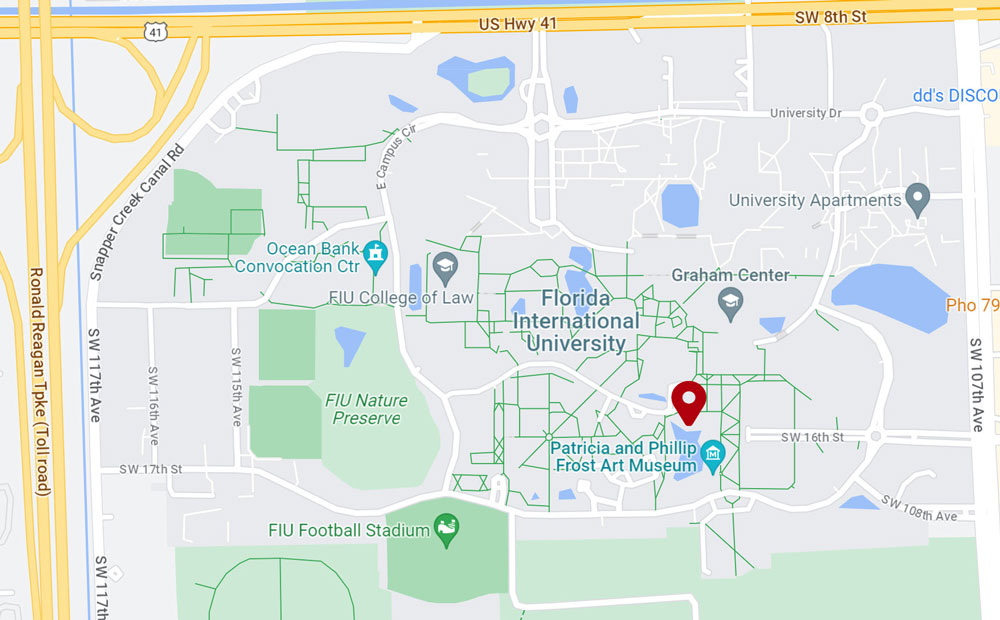
11200 SW 8th Street, MARC 473-A
Miami, FL 33199
Directions

The Population Health Initiative at FIU will provide pilot funding to spur innovative cross-disciplinary research of two or more disciplines in the critical areas of climate variability & environmental and community resilience, infectious & chronic diseases, life-course health, or health economics. This research will enhance population health by fostering collaborations within FIU and strategic external partnerships. FIU-PHI will address health at the societal level in South Florida and, when relevant, the bidirectional implications of regional and global factors, such as how health patterns in South Florida influence larger regions and how global trends and events impact South Florida’s health landscape.


Vulnerability and adaptation assessments and/or adaptation plans to mitigate the impact of factors such as air pollution, occupational conditions, or water management on health outcomes.
Vulnerability and adaptation assessments and/or adaptation plans to mitigate the impact of factors such as air pollution, occupational conditions, or water management on health outcomes.

Analyzing healthcare systems factors and policies such as public health measures, health technologies, healthcare access, financing, and cost control strategies.
Analyzing healthcare systems factors and policies such as public health measures, health technologies, healthcare access, financing, and cost control strategies.

Exploring societal-level factors that impact physical and mental health outcomes and/or developing interventions that have a population-wide impact, addressing areas such as brain health, substance use, injuries, violence prevention, and self-harm.
Exploring societal-level factors that impact physical and mental health outcomes and/or developing interventions that have a population-wide impact, addressing areas such as brain health, substance use, injuries, violence prevention, and self-harm.
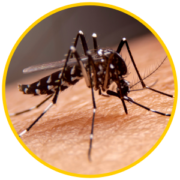
Large-scale data analysis, policies, and/or strategies on the patterns, determinants, and impacts of infectious and chronic diseases including prevention, transmission dynamics, treatment strategies, health differences, and overall disease burden on communities.
Large-scale data analysis, policies, and/or strategies on the patterns, determinants, and impacts of infectious and chronic diseases including prevention, transmission dynamics, treatment strategies, health differences, and overall disease burden on communities.
PHI funding aims to enhance innovation using inter-disciplinary and inter-organization team-based science research studies that make contributions to two or more disciplines. The goal is to support scientists in amplifying innovation and significance in research investigations. We will do so through the Population Health Research Catalyst Pilot Grants and the Population Health Mentoring Awards.

The Florida International University Health Disparities Initiative (FIU-HDI), established in 2016 with National Institute of Minority Health and Health Disparities funding, recently received a 5-year renewal to expand its mission. FIU-HDI aims to train future researchers in public health, clinical, biomedical, and behavioral fields at FIU’s Stempel College and FIU’s Herbert Wertheim College of Medicine. It now includes a broader focus on communicable and non-communicable health disparities in South Florida and the Caribbean, with plans to train 24 doctoral students, 6 postdoctoral fellows, and many medical students from underrepresented backgrounds. The goal is to reduce health disparities in these regions while promoting diversity in the workforce.
Director, Program Administration – Population Health Initiative
Office of Research & Economic Development
11200 SW 8th Street, MARC 473-A
Miami, FL 33199
P: (305) 348-5197
E: pophealth@fiu.edu
Director, Program Administration – Population Health Initiative
Office of Research & Economic Development
11200 SW 8th Street, MARC 473-A
Miami, FL 33199
P: (305) 348-5197
E: pophealth@fiu.edu